
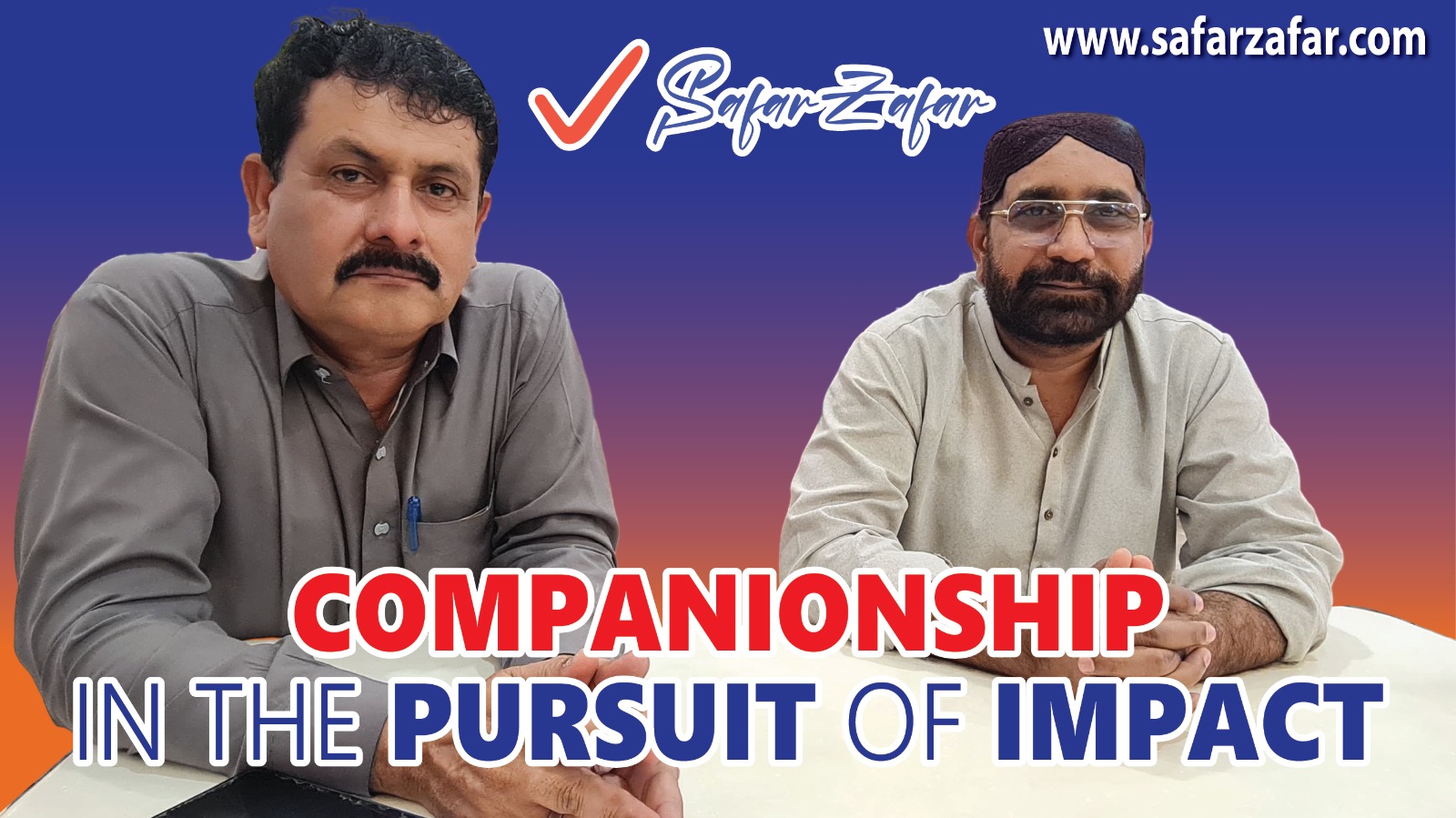
In the world of social development and nonprofit leadership, professional engagements often take us far from home, immersing us in new environments, challenges, and responsibilities. While such journeys are essential for meaningful impact, they can sometimes feel overwhelming without a strong support system. This is where the role of friendship and professional camaraderie becomes invaluable.
As someone who frequently visits Karachi to oversee the organizational affairs of The NGO World, I have experienced firsthand the profound impact of true friendship in a professional journey. Among the individuals who have greatly enriched my work and personal experiences is Prof. Dr. Mumtaz Ali—a distinguished academic, a seasoned nonprofit leader, and above all, a sincere and supportive friend.
Prof. Dr. Mumtaz Ali: A Mentor, Social Entrepreneur, and True Friend
Prof. Dr. Mumtaz Ali, a PhD in Sociology and a professor at the University of Sindh, is a highly respected figure in both academia and the nonprofit sector. With vast experience in senior leadership roles within the nonprofit world, he has contributed significantly to social development and community empowerment. As a social entrepreneur, he has worked tirelessly to create sustainable solutions for pressing societal challenges.
Beyond his professional accomplishments, what makes Prof. Dr. Mumtaz Ali truly remarkable is his balanced personality, humility, and unwavering support for those around him. His friendly nature, intellectual depth, and ability to inspire make him a cherished companion in both personal and professional capacities.
Whenever I am in Karachi, he spares time from his busy schedule to meet me, engage in thoughtful discussions, and offer his insights. His support is not limited to professional advice; he extends emotional encouragement, motivation, and a genuine sense of companionship. I deeply appreciate his efforts and consider his generosity in time, attention, and mentorship as a profound personal sacrifice—one that reflects his commitment to meaningful relationships and shared purpose.
The Role of Friendship in a Professional Mission
1. A Sense of Belonging in a Different City
Working in a city far from home can often feel transactional—moving from meetings to site visits, handling logistics, and ensuring smooth operations. However, friendships like the one I share with Prof. Dr. Mumtaz Ali bring a sense of comfort and belonging. Instead of viewing my time in Karachi solely as a professional responsibility, I feel welcomed, supported, and connected, making my work in the city more fulfilling and impactful.
2. Professional Insights and Unfiltered Guidance
One of the greatest advantages of friendships in professional settings is the honest, constructive, and unfiltered guidance they provide. Prof. Dr. Mumtaz Ali, with his extensive experience in academia and nonprofit leadership, offers valuable perspectives, strategic advice, and critical analysis that significantly enhance my work. Unlike formal consultations, his counsel is deeply personal, sincere, and rooted in shared values.
3. Collaboration Beyond Work
Strong friendships in professional spaces often lead to meaningful collaborations. With Prof. Dr. Mumtaz Ali’s expertise in sociology and social entrepreneurship, our discussions frequently spark new ideas, innovative solutions, and potential partnerships. His involvement in The NGO World’s vision and mission strengthens our work, ensuring that our projects are not only impactful but also sustainable and forward-thinking.
4. Emotional Strength and Motivation
Leadership, particularly in the nonprofit sector, is demanding. The weight of responsibilities, decision-making, and the pursuit of social impact can be mentally and emotionally taxing. However, the encouragement, support, and positive reinforcement from Prof. Dr. Mumtaz Ali act as a powerful source of motivation. His ability to listen, provide reassurance, and offer thoughtful perspectives helps me navigate challenges with resilience and confidence.
5. A Lifelong Support System
The bonds formed through such friendships extend beyond professional engagements. They evolve into lifelong connections that provide guidance, intellectual stimulation, and moral support at every stage of life. With Prof. Dr. Mumtaz Ali, conversations are not limited to work-related matters; they include broader reflections on society, leadership, and the evolving landscape of social impact. These interactions continue to broaden my perspective, refine my vision, and strengthen my sense of purpose.
Conclusion: Brotherhood for Social Good
My frequent visits to Karachi are not just about overseeing The NGO World’s operations; they are also opportunities to engage with a network of trusted individuals who add depth, wisdom, and warmth to my journey. People like Prof. Dr. Mumtaz Ali embody the spirit of “Brotherhood for Social Good”—where relationships transcend professional formalities and become foundations for meaningful change. His selfless support, sincere friendship, and unwavering encouragement serve as a reminder that in the pursuit of social impact, true success is not just about what we achieve but also about the people who stand beside us. In a world where professional engagements can often feel transactional, friendships like these prove that genuine human connections remain the most valuable asset in both personal and professional life.
Acknowledgment
I extend my heartfelt appreciation to Prof. Dr. Mumtaz Ali and others who have continuously enriched my journey through their wisdom, time, and unwavering support. Their presence makes my work more impactful, my vision clearer, and my journey more meaningful. In the realm of social good, friendships like these are not just a privilege—they are a necessity.
One Response
Thank you brother